Financial Advice: According to Ford, approximately two-thirds of Americans do not have a will, often because they avoid thinking about death.
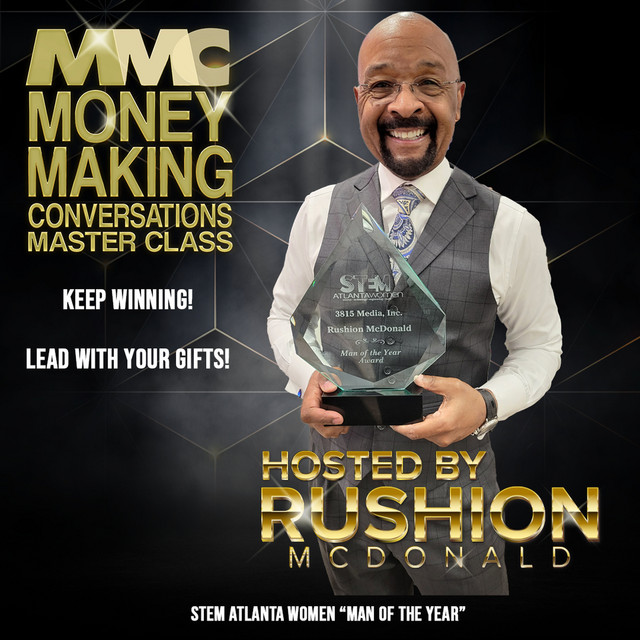
Money Making Conversations Master Class
- 28m
- Transcript
Summary
Written by a model from the transcript; not yet reviewed.
Estate and probate attorney Don Ford joins the program to explain the legal mechanics of wills, trusts, and estate planning. The discussion explores why roughly two-thirds of Americans lack a will, the hidden dangers of DIY or handwritten documents, and how family disputes often ignite after a death due to unclear instructions. The guest breaks down the specific roles of executors, what disqualifies someone from serving, and when a living trust makes sense instead of probate court.
- According to attorney Don Ford, approximately two-thirds of Americans do not have a will. 11:52
- Handwritten wills are legally valid in Texas, but vague wording can cause intense family litigation. 5:17
- Having power of attorney over someone ends the day they pass away. 33:40
- An executor named in a will cannot act until a judge officially approves them. 26:11
Chapters
- 0:00Podcast Introduction and Host Overview
The episode opens with the host Rashawn McDonald introducing the Money Making Conversations Masterclass and setting the stage for the discussion on estate planning.
- 2:35Introducing Attorney Don Ford
Rashawn welcomes board‑certified probate attorney Don Ford, highlighting his expertise and role as managing partner at Ford Bergner LLP.
- 5:10Legal Requirements for Handwritten Wills in Texas
The attorney details Texas law on handwritten wills, their validity, and the pitfalls that can lead to family disputes.
- 7:00Trusts vs. Wills: When to Use Each
The conversation explores the benefits of trusts, especially in high‑cost probate states, and contrasts them with traditional wills.
- 9:00Common Estate Planning Pitfalls and How to Avoid Them
Examples of family friction, miscommunication, and executor misconduct are shared, with advice on proactive documentation and communication.
- 11:52Will Myths and Common Misconceptions
Don Ford explains why many Americans avoid creating wills, addressing cost concerns, emotional discomfort, and misunderstandings about handwritten wills.
- 26:00Executor Selection and Red Flags
Don discusses the executor’s role, how judges approve them, and common disqualifiers such as conflicts of interest or incapacity.
- 33:03Estate Planning Beyond Wills and Trusts
Rashawn and Don outline a holistic estate plan, including powers of attorney, healthcare directives, and asset‑specific strategies.
- 35:03Wrap‑Up and Resources
The episode concludes with a recap of key takeaways, contact information for Don Ford, and a reminder to subscribe to the podcast.
Highlights
- 5:48
Handwritten Will Ambiguitystory
A handwritten will left everything to one sister to share with siblings without specifying percentages, leading to bitter family litigation.
- 11:52
Studies show two-thirds of Americans lack a will, often because people avoid confronting their own mortality or disagree with partners.
- 13:28
When To Get A Willinsight
Estate planning is driven by life stage rather than age; anyone owning a home, bank accounts, or retirement funds should plan ahead.
- 15:11
Attorney Consultation Processstrategy
An initial 45-minute conversation focuses on understanding the client's family and asset goals rather than pushing a long questionnaire.
- 17:49
Grieving Styles And Frictioninsight
Children who lived nearby and cared for aging parents grieve and handle estate cleanout differently than siblings living far away.
- 27:09
Executor Mismanagement Examplestory
After a massive settlement, siblings went missing and bought brand-new cars with funds meant for all siblings, triggering an investigation.
- 29:17
Executor Disqualification Rulesinsight
Under Texas law, convicted felons, individuals with severe conflicts of interest, or incapacitated people cannot serve as executors.
Quotes
Sponsored segments
- Base44 0:28–1:02
- State Farm 1:02–1:29
- Chime 10:21–11:44
- Dell 22:07–23:07
- Toyota 38:01–38:43
- Lincoln 38:37–39:07
About this episode
Listen and subscribe to Money Making Conversations on iHeartRadio https://www.iheart.com/podcast/1119-money-making-conversation-28341098/, Apple Podcasts https://podcasts.apple.com/us/podcast/money-making-conversations-master-class/id1264705641, Spotify https://open.spotify.com/show/3ABAQdTXqAnhGwxrsjFa5y, www.moneymakingconversations.com/subscribe/ http://www.moneymakingconversations.com/subscribe/ or wherever you listen to podcasts. New Money Making Conversations episodes drop daily. I want to alert you, so you don’t miss out on expert analysis and insider perspectives from my guests who provide tips that can help you uplift the community, improve your financial planning, motivation, or advice on how to be a successful entrepreneur. Keep winning! Two-time Emmy and Three-time NAACP Image Award-winning television Executive Producer Rushion McDonald interviewed Don Ford. A board-certified probate and estate attorney and managing partner of Ford Bergner LLP. The conversation focuses on the importance of estate planning, wills, trusts, probate, executors, and family dynamics that often arise after the death of a loved one. Ford provides practical guidance on how individuals can protect their assets, reduce family conflict, and ensure their wishes are properly carried out through legally sound estate planning. Throughout the interview, he emphasizes that estate planning is not just for the wealthy but for anyone who owns assets or has loved ones they want to protect. Purpose of the Interview The interview was designed to: Educate listeners about wills, trusts, and estate planning. Explain the legal differences between financial planning and estate planning. Help families avoid disputes and costly probate issues. Clarify common misconceptions about handwritten wills and DIY estate documents. Encourage individuals to create estate plans before a crisis occurs. Highlight the importance of planning for incapacity as well as death. Key Takeaways 1. Estate Planning Is Different from Financial Planning Ford explains that financial planners focus on growing wealth, while estate planning focuses on what happens to your assets if you die or become incapacitated. 2. Most Americans Don't Have a Will According to Ford, approximately two-thirds of Americans do not have a will, often because they avoid thinking about death, worry about legal costs, or struggle with difficult family decisions. 3. DIY Wills Can Create Major Problems While some states allow handwritten wills, poorly written documents often create ambiguity that leads to family disputes, litigation, and unintended outcomes. 4. Clear Legal Language Prevents Family Conflict A properly drafted will eliminates confusion by clearly defining beneficiaries, distributions, responsibilities, and contingency plans. 5. Estate Planning Should Be Based on Life Stage, Not Age Ford argues that estate planning becomes important when people begin accumulating assets such as: Homes Vehicles Retirement accounts Brokerage accounts Savings The need for a plan is determined more by responsibilities and assets than by age. 6. Communication Is Critical After a Death Many estate disputes begin because family members grieve differently and have different expectations about property, money, and responsibilities. 7. A Good Estate Plan Protects Family Relationships When instructions are clearly documented, families spend less time arguing about intentions and more time focusing on healing. 8. Executors Have Serious Legal Responsibilities An executor is responsible for managing and settling an estate, but cannot legally act until approved by a court. Executors must: Treat beneficiaries fairly Account for all assets Distribute assets according to the law and the will Avoid conflicts of interest 9. Trusts and Wills Serve Different Purposes A trust can be used to transfer assets during a person's lifetime and may help avoid probate in certain states where the probate process is costly and complicated. 10. Estate Planning Is More Than a Will A complete estate plan may include: A will A trust Medical powers of attorney Financial powers of attorney Guardianship planning Asset protection strategies 11. Family Structure Matters Blended families, multiple marriages, children from different relationships, and out-of-state property ownership often require more sophisticated estate planning. 12. Planning for Incapacity Is Equally Important Ford emphasizes that estate planning also addresses what happens if someone becomes unable to make their own medical or financial decisions before death. Notable Quotes On Estate Planning "Estate planning is really what happens if I die, making a plan for your death and what happens after you're gone." On Handwritten Wills "While the handwritten will may be an option, it's usually not the best option." On Legal Guidance "A lawyer would put in the verbiage to make sure there is not that ambiguity." On Why People Avoid Wills "A lot of people have not wanted to talk about these issues because they don't really want to talk about dying." On Planning Ahead "Not thinking about it doesn't mean it's not going to happen." On Timing "It's more of a position-in-life issue and not more about an age issue." On Estate Administration "The executor can't take money and spend it on themselves when it's supposed to go to the others." On Family Conflict "Communication is a big piece of that." On Good Planning "A good plan and a well-drafted will alleviates a lot of those problems." On Trusts "The trust agreement is going to determine who gets my home rather than my will determining who gets my home." On Estate Planning as a Whole "Estate planning is a more holistic view about all of these issues." On Powers of Attorney "We need powers of attorney if you become incapacitated before you die." Bottom Line Don Ford's central message is that estate planning is an act of protection, not simply a legal exercise. A properly structured estate plan helps preserve assets, reduce family conflict, ensure personal wishes are honored, and prepare for both death and incapacity. The interview serves as a reminder that waiting too long to create a will, trust, or estate plan can leave loved ones facing unnecessary stress, confusion, and costly legal challenges. #SHMS #BEST #STRAW Money Making Conversations Master Class with Rushion McDonald is America's premier entrepreneurship, business leadership, financial literacy, and wealth-building podcast featuring successful entrepreneurs, executives, founders, celebrities, and industry experts sharing actionable insights for professional and financial success. Business Podcast Entrepreneurship Small Business Business Growth Financial Literacy Wealth Building Black Entrepreneurs Minority Business Leadership Executive Leadership Business Funding Marketing Strategies Personal Development Startup Advice Sales Training CEO Interviews Founder Stories Professional Development Economic Empowerment Business Success Networking Brand Building Innovation How to start a business Small business funding Entrepreneur success stories Business leadership podcast Wealth building strategies Black entrepreneur podcast Minority business development Marketing for small businesses Business growth strategies Startup funding opportunities Executive leadership training Financial literacy education Success mindset podcast See omnystudio.com/listener https://omnystudio.com/listener for privacy information.
Transcript
7,129 words · 6 speakers
Topics
- Texas
- ChatGPT
- Houston
- iHeart Radio app
- Spotify
- Apple Podcasts
- Google Drive
- Ford Bergner LLP
- Fordbergerner.com
Page updated · transcript and summary are machine-generated