Summary
Written by a model from the transcript; not yet reviewed.
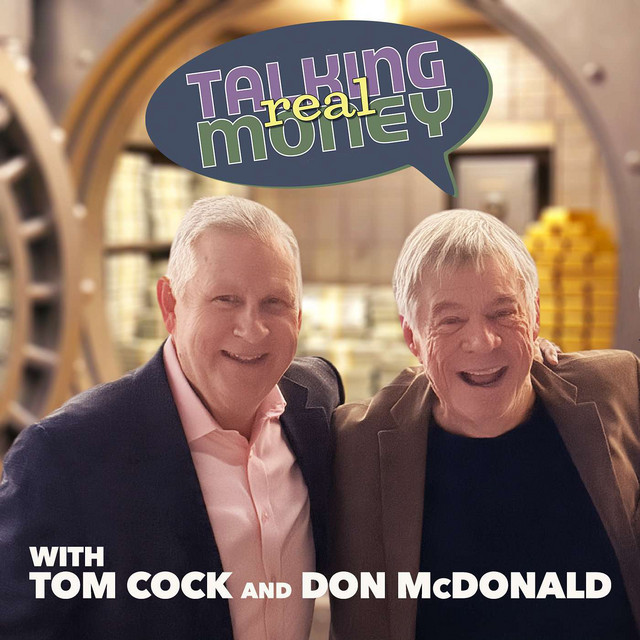
This episode of Talking Real Money examines the persistent myth of market timing, dissecting financial media articles that claim investors can dramatically boost returns by dodging the market's worst days. The hosts argue that attempting to time market volatility is practically impossible and emotionally grueling, noting that the best and worst trading days frequently occur in close proximity. They review the poor track records of famous market forecasters like Ray Dalio, Robert Kiyosaki, and Harry Dent, demonstrating that consistent market timing consistently fails. Later in the show, the hosts answer a listener question from a 73-year-old widow who was sold high-fee annuities and long-term care products despite already having sufficient pension and social security income to cover her expenses. Finally, they debunk the romanticized notion of passive income through businesses like laundromats, emphasizing that all ventures require active work and carry substantial risk.
- Keep your money in the market rather than trying to time entries and exits to avoid down days. 6:09
- Evaluate whether high-fee annuities align with your actual income needs before purchasing them. 21:20
- Recognize that businesses promoted as passive income often require significant hands-on management. 28:44
Chapters
- 0:13Intro and Musical Jingle Backstory
Hosts discuss the origin of the episode’s jingle and the challenges of AI-generated music.
- 1:14Jingle Creation and Artist Style Debate
The hosts explain their attempt to mimic 1970s progressive rock for the podcast jingle.
- 2:15Rock Legends and Concert Memories
They reminisce about classic rock concerts and personal connections to touring staff.
- 3:18Market Timing vs. Buy‑and‑Hold Debate
The conversation shifts to the Kiplinger article questioning whether buy‑and‑hold is truly optimal.
Highlights
- 4:20
Kiplinger Article on Missing Daysdata
The hosts discuss a financial media article arguing that missing the 30 best days versus the 30 worst days drastically alters long-term investment returns.
- 6:06
The Impossibility of Market Timinginsight
The speakers point out that avoiding the market's worst days requires perfect foresight or time travel, as no realistic strategy exists to consistently duck volatile drops.
- 9:18
Volatility Clusters Best and Worst Daysinsight
The hosts explain that market data shows the best and worst trading days frequently cluster together during high volatility periods, making successful timing nearly impossible.
- 11:35
Familiar Forecasters With Poor Recordsstory
The hosts review prominent figures like Ray Dalio, Robert Kiyosaki, and Harry Dent who frequently predict market crashes but maintain terrible long-term track records.
- 17:11
Annuity Surrender Values and Commissionsstory
A listener question reveals a 73-year-old widow holding large fixed index annuities and long-term care products while an agent pushes her to shuffle funds for commissions.
- 21:40
Comparing Expenses to Guaranteed Incomestrategy
The hosts evaluate the listener's financial situation, noting that her pension, social security, and portfolio easily cover her fifty-five thousand dollar annual expenses without annuities.
- 28:35
The Laundromat Passive Income Trenddata
The hosts examine a Wall Street Journal article highlighting laundromats as a trendy passive income choice driven by younger workers seeking alternative investments.
- 31:52
Debunking Easy Passive Incomeinsight
Drawing on personal business experience, the hosts emphasize that truly passive income businesses do not exist and all ventures involve hard work and risk.
Quotes
“If you looked at the S and P 500 since 1988, buy and hold earned about eleven and a half percent, so turned a dollar into 65 bucks.”
Unnamed speaker · 4:20 “if you're trying to be in and out of the market and you just missed the best days, you could destroy your return.”
Unnamed speaker · 4:59 “You buy and hold, you get in the market and you stay there.”
Unnamed speaker · 6:09 “They say the average profit margin, and this is in quarters too, is 24%.”
Unnamed speaker · 31:12
Sponsored segments
- Talking Real Money 33:02–33:18
About this episode
Market timing always looks easy in hindsight: just miss the 30 worst days. The catch is that the market’s best and worst days cluster together, so getting out means risking the rebound. Don and Tom unpack the seductive math, the impossible two-part prediction, and why diversified buy-and-hold investing remains the boring answer that actually works. A 73-year-old widow asks what to do after an insurance agent who sold her two EquiTrust annuities calls with another idea. Don and Tom question w...
Transcript
6,285 words · 5 speakers
Topics
- Yes
- Kiplinger
- Equitrust
- Appella Wealth
- Emerson Lake and Palmer
- Voya
- Wall Street Journal
- Genesis
- Suno
- Kiplinger's Advisor Intel Program
Page updated · transcript and summary are machine-generated