Summary
Written by a model from the transcript; not yet reviewed.
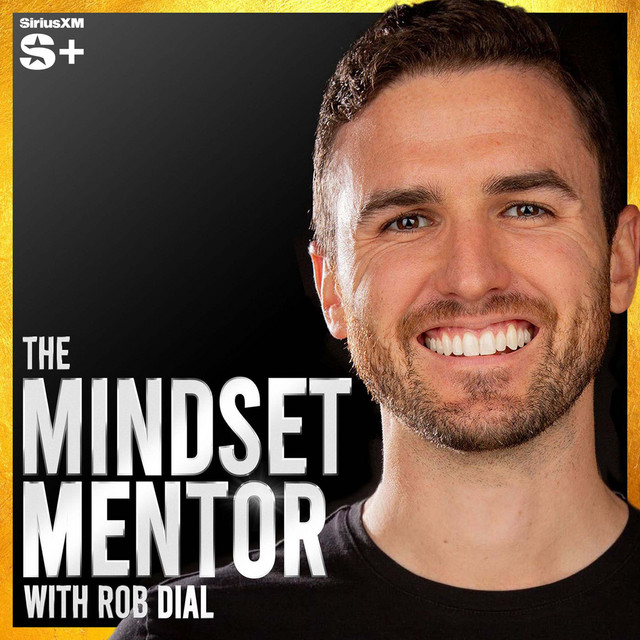
This episode explores the psychological and neurological roots of social comparison, explaining why viewing others' online profiles so frequently leads to feelings of inadequacy. The host, Rob Dial, argues that the brain evolved as a survival mechanism to assess social standing within a small tribe of around thirty people, rather than processing the highlight reels of seven billion individuals online. Dial explains how the ventral striatum and medial prefrontal cortex trigger dopamine when feeling superior and cortisol when feeling behind. To break this cycle, the host recommends comparing oneself only to past behavior, practicing digital hygiene, journaling micro wins, and reframing others' success as inspiration rather than competition.
- Unfollow social media accounts that trigger envy rather than inspiration. 19:48
- Compare yourself only to who you were yesterday for a fair baseline. 18:08
- Journal micro wins daily to reward your brain for personal growth. 20:30
- Reframing upward comparisons can turn someone else's success into proof of what is possible. 20:59
Chapters
- 0:01Podcast Intro and Sponsor Ads
The episode opens with a brief introduction and multiple sponsor advertisements before the host begins the main discussion.
- 2:35Host Introduces Main Topic
Rob Dial announces the episode’s focus on stopping comparison and previews the neuroscience behind it.
- 3:20Real‑World Examples of Social Media Comparison
Rob shares personal anecdotes illustrating how scrolling triggers feelings of inadequacy and stress.
- 4:30Neuroscience of Comparison
The host explains how the brain’s social comparison mechanism works, detailing dopamine and cortisol responses.
- 19:41Rewiring the Brain: Practical Strategies
Rob offers actionable steps—digital hygiene, gratitude journaling, and reframing comparisons—to cultivate sustainable joy.
- 22:28Closing and Call to Action
The host wraps up, promotes the Freedom Live event, and encourages listeners to spread positivity.
Highlights
- 2:51
The Root of Comparisoninsight
The host explains that Theodore Roosevelt's quote about comparison being the thief of joy describes a real neurological trap built into human circuitry.
- 4:40
Survival Over Happinessinsight
The brain is designed as a prediction and survival machine that unconsciously assesses tribal standing rather than caring about personal happiness.
- 5:21
Neurological Reward and Punishmentdata
Brain regions like the ventral striatum and medial prefrontal cortex release dopamine when feeling superior and cortisol when feeling behind.
- 6:11
Outdated Software in the Modern Worldinsight
Humans run fifty-thousand-year-old software, comparing themselves to seven billion people online instead of a thirty-person tribe.
- 12:03
Highlight Reels as Normal Lifeinsight
The brain interprets the top one percent of moments posted by others as normal life, creating an unfair comparison to messy everyday realities.
- 16:37
Upward and Downward Comparisoninsight
Originating from Leon Festinger's 1954 Social Comparison Theory, people evaluate themselves through upward and downward comparisons, neither of which usually feels good.
- 18:08
The Only Fair Comparisonstrategy
The host argues that the only fair apples-to-apples measurement is comparing oneself to who they were yesterday, sharing the same genetics and background.
Quotes
“Comparison is the thief of joy”
Unnamed speaker · 2:51 “Your brain will actually reward you for doing better than other people, and it will punish you for falling short.”
Unnamed speaker · 6:02 “The only fair comparison is that you have to compare yourself to who you were yesterday.”
Unnamed speaker · 18:06 “Life is not a race, it is a art project.”
Unnamed speaker · 21:47
Sponsored segments
- US Bank Business Essentials Card 0:08–0:28
- Angie 0:30–0:57
- LinkedIn Hiring Pro 1:12–1:39
- Freedom Live 2026 2:07–2:35
- IM8 8:48–9:45
- IXL 9:55–10:52
- Mint Mobile 10:58–11:58
- Freedom Live 2026 22:18–23:03
- Simply Safe 23:39–24:06
About this episode
Why do you feel like you're falling behind after just ten minutes of scrolling, even when your life felt great before you opened the app? In this episode, I break down the neuroscience of social comparison, how it triggers cortisol in your brain, and why you're really comparing your behind-the-scenes to everyone else's highlight reel. I'll also show you simple ways to rewire this habit so you can compare yourself to who you were yesterday and get your joy back. Freedom Live is a 3-day live experience in Austin designed to help you break through what’s keeping you from your next level. Get $100 off your ticket: https://robdial.short.gy/freedomlive The Mindset Mentor™ podcast is designed for anyone desiring motivation, direction, and focus in life. Past guests of The Mindset Mentor include Tony Robbins, Matthew McConaughey, Jay Shetty, Andrew Huberman, Lewis Howes, Gregg Braden, Rich Roll, and Dr. Steven Gundry. Hosted by Simplecast, an AdsWizz company. See https://pcm.adswizz.com for information about our collection and use of personal data for advertising.
Transcript
4,414 words · 7 speakers
Topics
- Walmart
- YouTube
- Freedom Live
- Fidelity
- Fidelity Brokerage Services, LLC
- Sonos
- Ninja
- Disneyland
- Delaney Brew
Page updated · transcript and summary are machine-generated