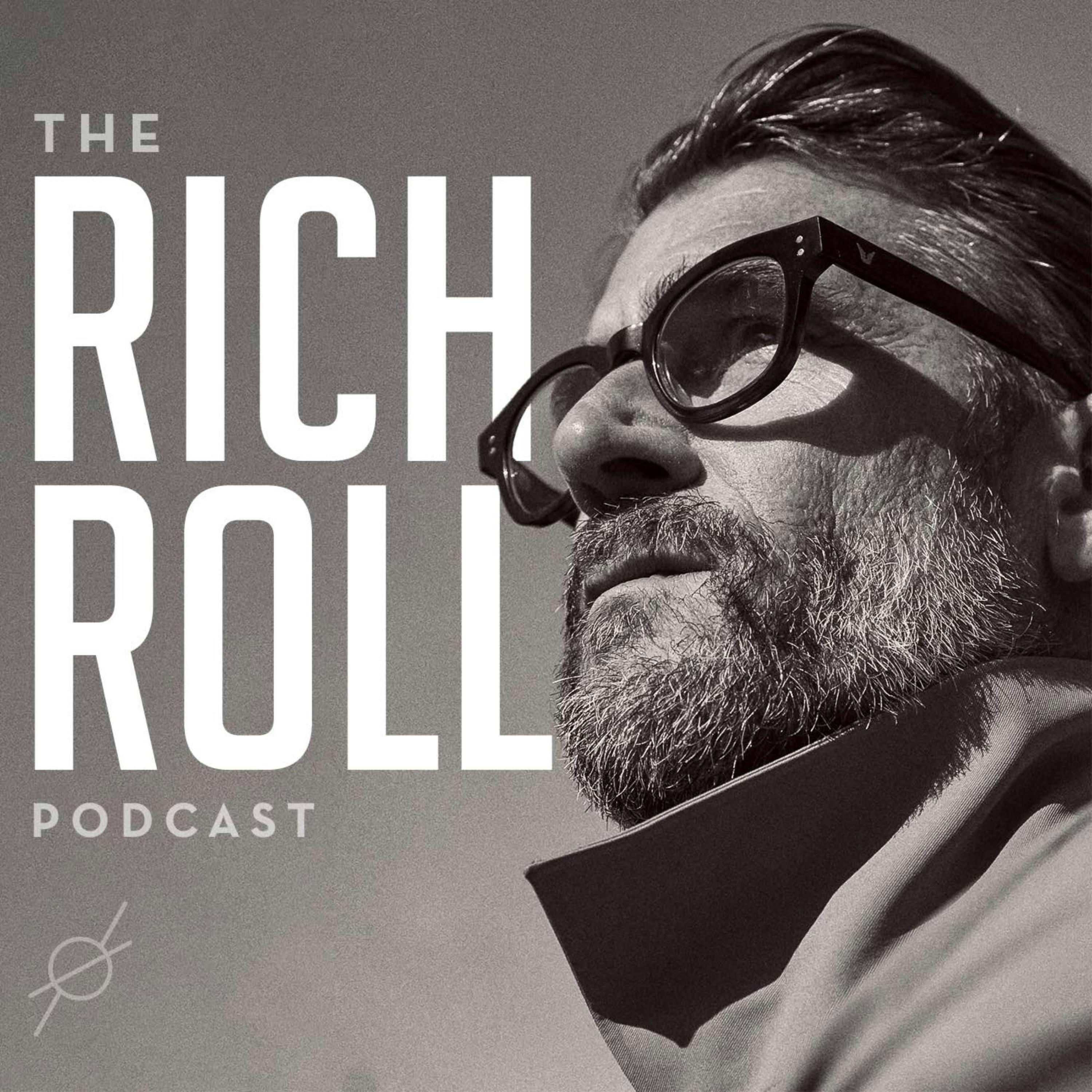
From Drinking Every Morning to Running 340 Miles: Tommie Runz on Recovery, Running & Redemption
Hosted by Rich Roll
- 2h 16m
- Transcript
Summary
Written by a model from the transcript; not yet reviewed.
This episode features a conversation with Tommy Runs about his journey from severe alcoholism to becoming an accomplished marathoner and ultra-runner. The guest opens up about experiencing accelerated alcoholism in high school, hiding his drinking while climbing the corporate ladder, and finally getting sober in 2017 through a combination of therapy and 12-step programs. They discuss his transition into running, his recent completion of the 340-mile Speed Project and Western States 100, and his mission to increase representation and visibility of Black runners in road and trail running communities.
- Prioritize sobriety above all other pursuits, as building a foundation in recovery is essential before adding endurance running or other lifestyle changes. 1:57:20
- Embrace vulnerability and share personal struggles authentically to build deep connections and help inspire others who might be facing similar battles. 47:52
- Accept powerlessness and relinquish the ego's false sense of control to successfully navigate major life transformations like overcoming addiction. 1:04:03
- Focus on being present in the moment rather than worrying about distant goals, whether during an ultra-marathon or in everyday life. 2:02:07
Chapters
- 0:00
- 1:04Tommy Runs’ Early Alcohol Use
Tommy recounts how he began drinking in high school, the rapid escalation, and the impact on his life.
- 1:40Recovery and Running Milestones
Tommy explains how sobriety allowed him to pursue running, including marathon achievements and the 340‑mile Speed Project.
- 2:19Identity and Community in Detroit
Tommy shares his upbringing in Detroit, the lack of vegan peers, and how he found community through AA and the podcast.
- 20:00Closing Reflections and Future Goals
The episode concludes with Tommy’s gratitude for sobriety, his desire to inspire others, and plans for continued growth.
- 29:33Balancing Work and Addiction
Tommy discusses his career at a transport company, how he managed a secret drinking habit, and the pressures of a corporate environment.
- 38:58Family, Parenting, and Sobriety
He reflects on becoming a father, the influence of his mother and grandmother, and the decision to move to Massachusetts to start anew.
- 44:48Transition to Public Advocacy
Tommy describes his shift from private sobriety to publicly sharing his recovery journey and building a personal brand around it.
- 45:26Podcast Intro & Host Setup
The episode opens with the host introducing the show and setting the stage for the conversation.
- 52:22Mom’s Intervention & Therapy Appointment
The guest describes his mother’s text, the EAP call, and the first therapy session that sparked a commitment to sobriety.
- 1:04:37Running as a Path to Recovery
After sobriety, the guest begins training, runs his first half marathon, and finds running a powerful complement to his recovery.
- 1:12:10Building a Running Brand & Content
The guest explains how he leveraged social media, a clothing line, and a podcast to share his journey and grow a community.
- 1:14:20Mission: Inspire Through Authenticity
The guest articulates his purpose of using his story to inspire others, emphasizing vulnerability and real-life impact.
- 1:31:10Trail Running Community Evolution
Discussion on how sponsorships, influencer culture, and diverse voices are reshaping trail running and its future.
- 1:37:40Speed Project 340 Miles Explained
Explanation of the unsanctioned, 340‑mile relay race from Santa Monica Pier to Las Vegas and its unique rules.
- 1:42:10Personal Growth Through Ultra‑Distances
Exploration of how ultra‑races force athletes to confront limits, embrace discomfort, and find gratitude in the moment.
- 1:48:20Training Shifts for Trail vs Marathon
Comparison of training philosophies, volume, intensity, and outdoor focus between marathon and trail ultra‑running.
Highlights
- 1:30
An Accelerated Path Into Alcoholismstory
The guest shares how drinking immediately acted as a solution to his social anxiety and feelings of not fitting in, leading to passing out at school just two weeks after his first drink.
- 21:12
The Danger of Being a Functional Alcoholicinsight
The discussion highlights how maintaining a job and keeping up appearances allows functioning alcoholics to hide their addiction and continue tearing down their health and lives for years.
- 1:05:46
Hiding Addiction While Climbing the Corporate Ladderstory
The guest explains how he managed to rise to a director-level position at an auto transport company while secretly hiding vodka in Red Bull bottles to maintain his addiction.
- 1:07:03
Discovering Running Through a Half Marathonstory
A year into sobriety, the guest ran the Chicago half marathon for charity, discovering a sense of community and pride that sparked his running journey.
- 1:16:46
The Lack of Representation in Trail Runninginsight
The guest discusses the cultural perception of jogging and endurance sports, noting the lack of visible Black representation in trail and ultra-running compared to road marathons.
- 1:37:40
Tackling the 340-Mile Speed Projectstrategy
The guest details his experience taking on the unsanctioned 340-mile run from the Santa Monica Pier to Las Vegas without support rules or designated routes.
- 1:48:33
Why Ultra-Marathons Mirror Life's Strugglesinsight
The guest compares running 100 miles to his 42 years of figuring out life, noting that ultra-running provides endless opportunities to negotiate with internal negative thoughts.
Quotes
“I did Osaka Marathon seven days before Tokyo.”
Unnamed speaker · 1:44 “The Speed Project from LA to Las Vegas, 340 miles.”
Unnamed speaker · 1:50 “I have my own little personal brand on Instagram.”
Unnamed speaker · 3:50 “And I think that was, when we met, it was like kind of right before that, all that happened.”
Unnamed speaker · 45:26 “People like that don't understand like what you're, how silly some of the things you worry about, but how”
Unnamed speaker · 58:30 “I did run all six majors at the time when there was only six.”
Unnamed speaker · 1:08:28 “the right people and you start seeing like what the, what the actual intention is, but maybe”
Unnamed speaker · 1:20:44 “And, you know, knowing that there's a you too, out in the world that leans heavily into that story,”
Unnamed speaker · 45:32 “They're bringing people with them there.”
Unnamed speaker · 1:31:15 “I want you to be inspired by something I do, but for the right reasons.”
Unnamed speaker · 1:42:20
Sponsored segments
- Plant Power Meal Planner 0:09–0:57
- Whoop 17:00–18:59
- Squarespace 19:32–20:20
- Freaks of Nature 41:26–42:26
About this episode
Tommie Runz is a runner, sobriety advocate, and co-host of the PR Project. This conversation explores addiction and redemption through Tommie's insistence that sobriety comes first and everything else is downstream. We discuss his backstory, the denial and the delusion of functional drinking, the moment he told the truth, nine years sober, ultrarunning as a spiritual practice, who belongs on the trail, and more. Tommie is a beautiful representation of a real runner. Enjoy! Show notes + MORE Watch on YouTube Newsletter Sign-Up Today’s Sponsors: WHOOP: Join now and get one month free👉🏼https://www.join.whoop.com/Roll Squarespace: Use code RichRoll to save 10% off your first order of a website or domain👉🏼https://www.squarespace.com/RichRoll Rivian: Electric vehicles that keep the world adventurous forever👉🏼https://stories.rivian.com/richroll Freaks of Nature: Save 20% with code RICHROLL👉🏼https://www.freaksofnature.com Check out all of the amazing discounts from our Sponsors👉🏼https://www.richroll.com/sponsors Find out more about Voicing Change Media at https://www.voicingchange.media and follow us @voicingchange Learn more about your ad choices. Visit podcastchoices.com/adchoices
Transcript
27,430 words · 3 speakers
Speaker names marked are inferred from speaking time and the show’s known hosts — they are not voice-verified.
Topics
- Western States
- TrailCon
- Detroit
- Speed Project
- AA
- Las Vegas
- Massachusetts
- Tokyo
- UTMB
- New York
Page updated · transcript and summary are machine-generated